Paul ARNAULT
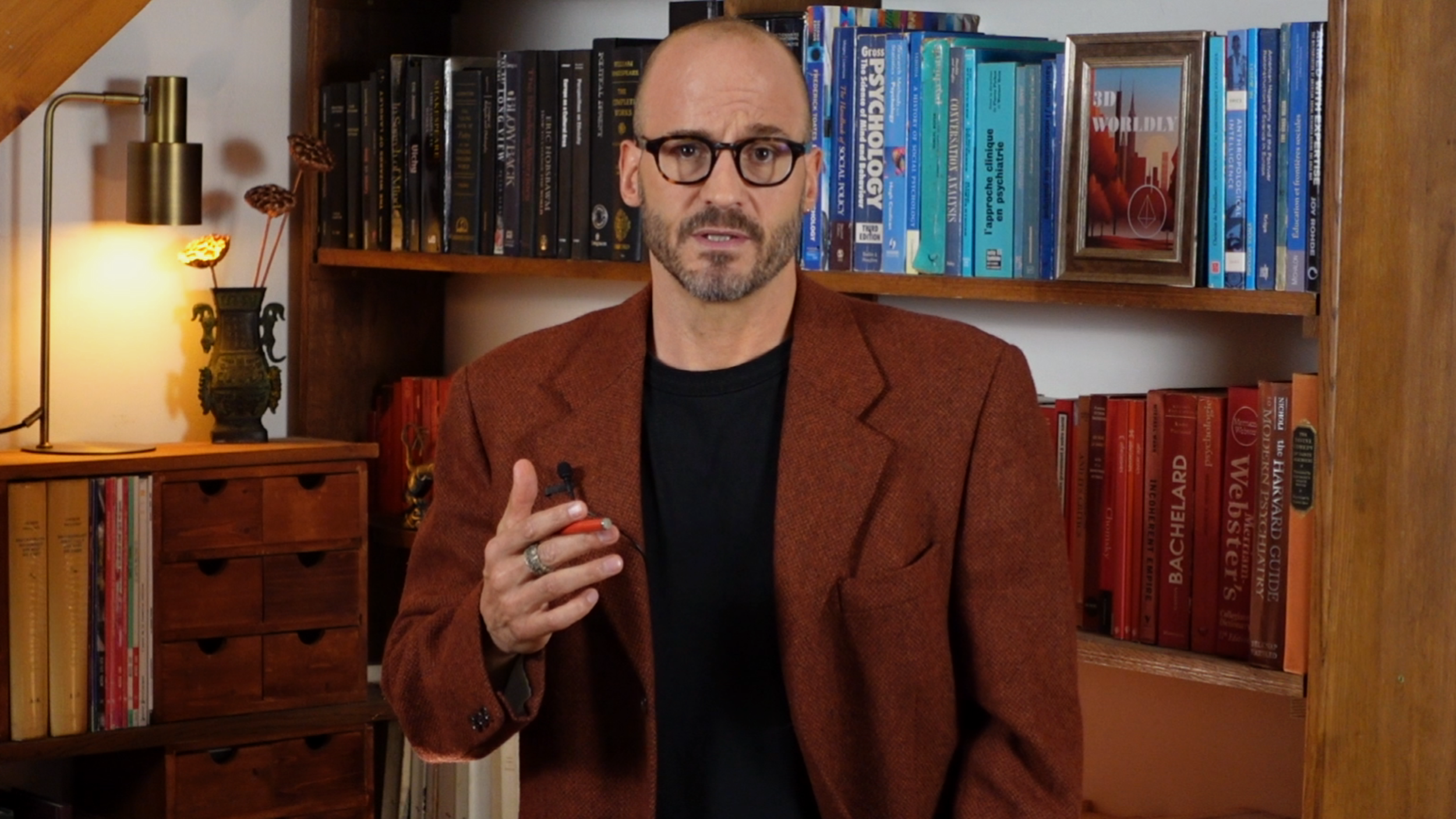
Author | Psychologist & Sociologist | Consultant & Trainer
Paul ARNAULT is a French, American, and Italian author, psychologist, and sociologist with expertise in mental health, social dynamics, and personal development. Holding master's degrees in both psychology and sociology, he has worked as a clinical psychologist in hospital and NGO settings, a teaching and research associate in sociology at Sorbonne University Paris, and a certified lecturer in health policy studies within the French higher education system.
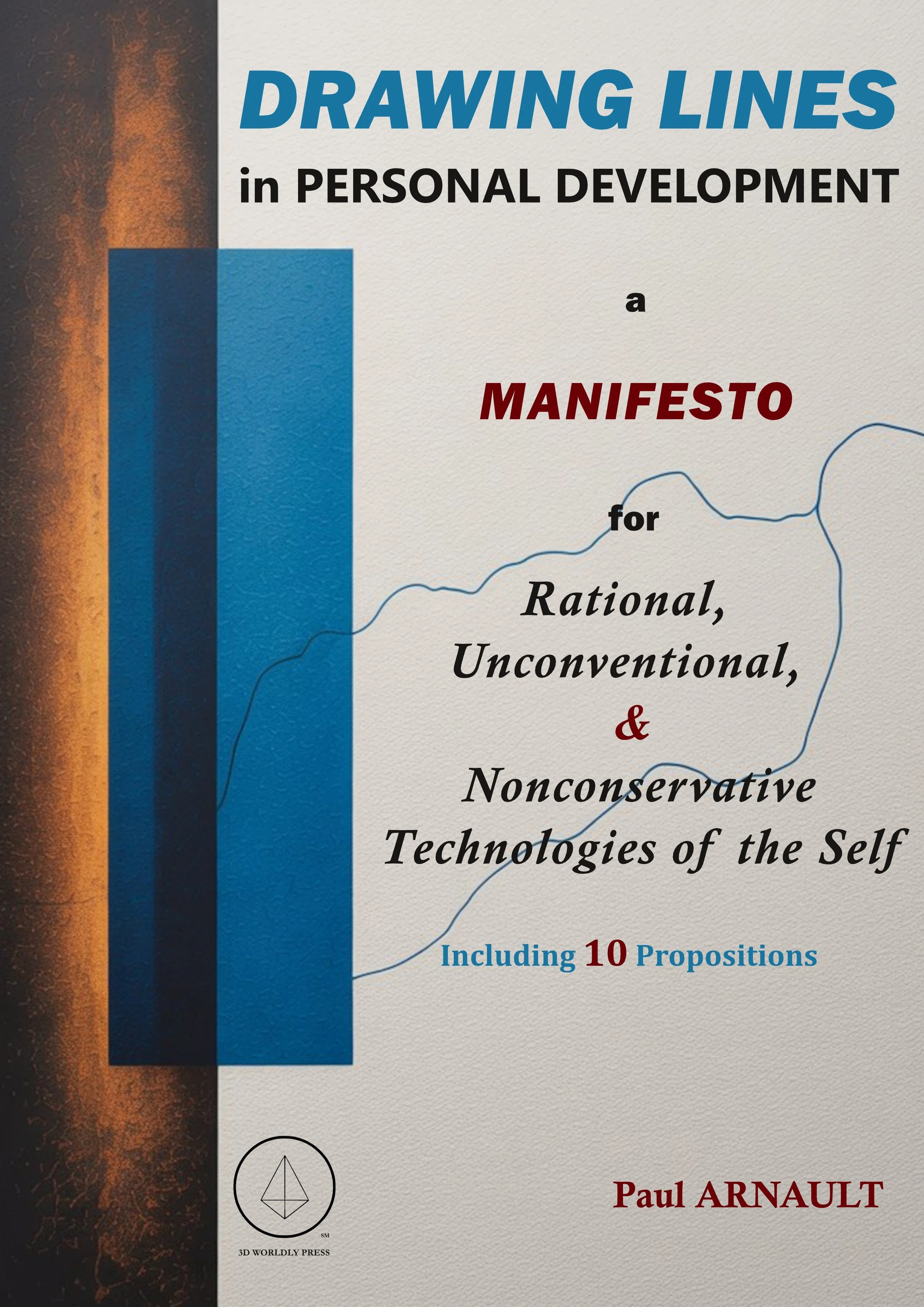
His research has appeared in English, French, and Russian, and has been presented at the École des Hautes Études en Sciences Sociales (EHESS, Paris), the École Normale Supérieure (ENS Ulm, Paris), Sciences Po (Paris), the Russian Academy of Sciences (IS RAN, Moscow), Alexandru Ioan Cuza University (Iași, Romania), and the Université de Liège (Liège, Belgium). It addresses the historical sociology of social psychology, the social uses of psychology, organizational psychology, the ethical conditions of clinical practice, as well as contemporary rational technologies of the self. His 2025 Drawing Lines in Personal Development: A Manifesto for Rational, Unconventional, and Nonconservative Technologies of the Self sets out the position from which the Fulatune method proceeds.
Initially trained in a vocational school as well as in martial arts, he acquired early savvy about corporate environments, workplace politics, and athletic tournaments (high school French boxing middleweight silver medalist, 1995; university/collegiate boxing middleweight champion of Île-de-France and vice-champion of France, 1997; 1st Dan Black belt in Judo-Jujitsu). The Fulatune method systematizes his knowledge of mental health, social dynamics, organizational human relations, social problem-solving, and coping strategies.
保罗·阿诺 (Paul ARNAULT) 是法国、美国和意大利作家,曾担任医院和非政府组织临床心理学家(文学硕士)、巴黎索邦大学社会学教学和研究助理(文学硕士)以及经法国高等教育制度认证的卫生政策研究教师。
पॉल अर्नो एक फ्रांसीसी, अमेरिकी और इतालवी लेखक हैं, जिन्होंने अस्पतालों और गैर-सरकारी संगठनों (एमए) में नैदानिक मनोवैज्ञानिक के रूप में, पेरिस की सोरबोन विश्वविद्यालय में समाजशास्त्र (एमए) में शिक्षण एवं अनुसंधान सहयोगी के रूप में, और फ्रांसीसी उच्च शिक्षा प्रणाली के अंतर्गत स्वास्थ्य नीति अध्ययन में एक प्रमाणित व्याख्याता के रूप में कार्य किया है।


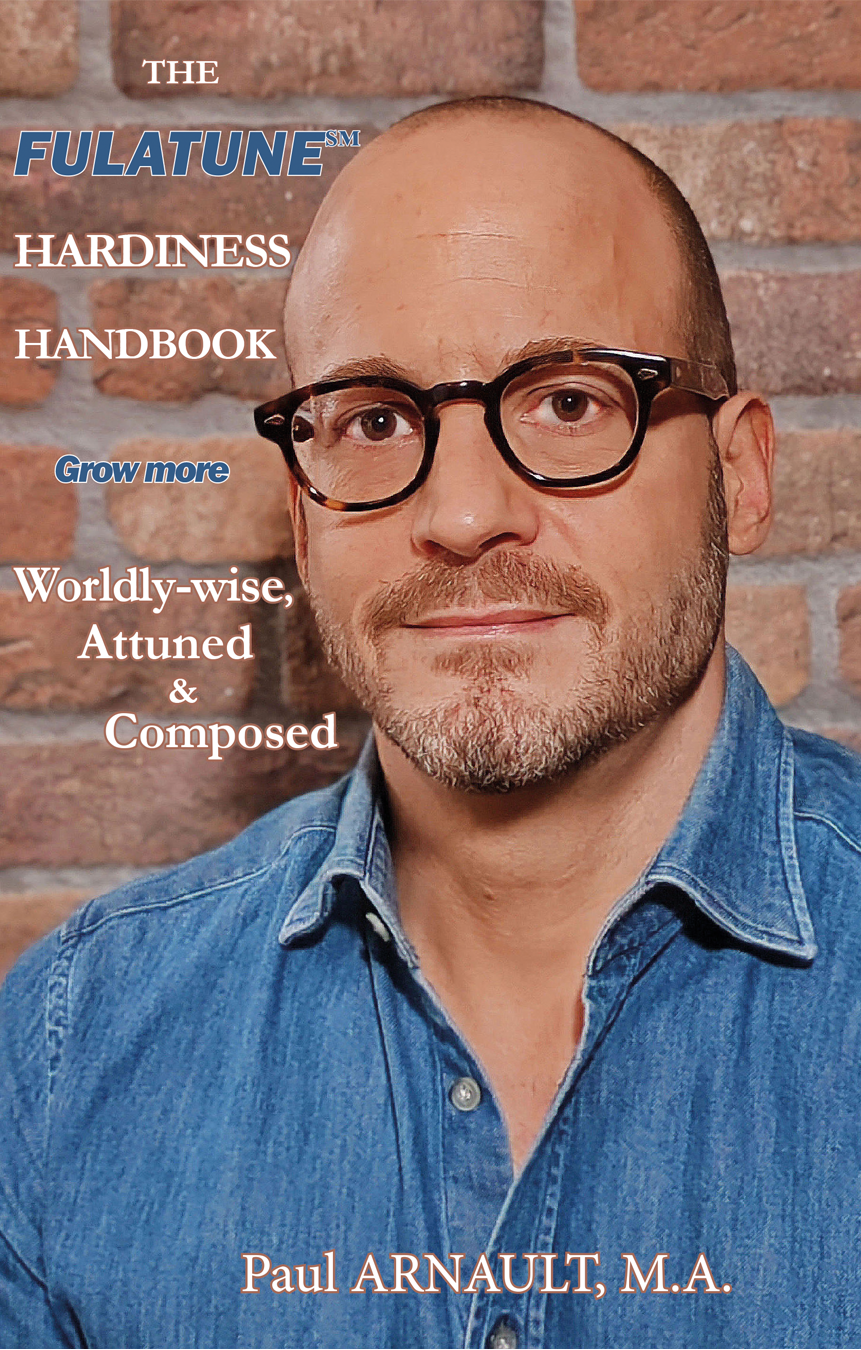
Documentation
Abridged List of Served Organizations

National Healthcare Provider Identifier (RPPS)

Panthéon Sorbonne professional card (2014-2016).

National Archives & Records Administration research card. Washington D.C., 2013.

Paris Labour Council card. “Health at work” collective (2006-2007).
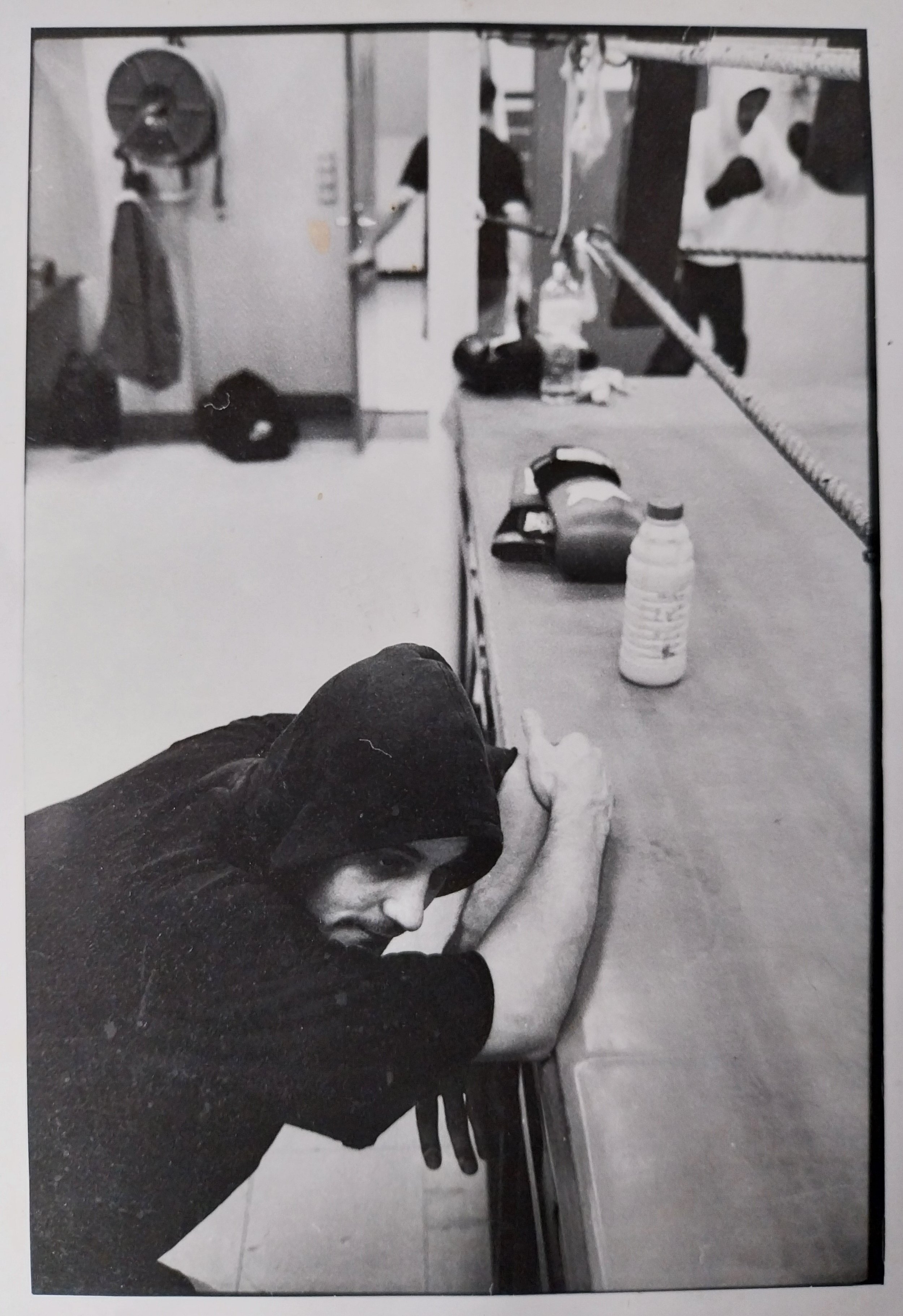
Calves stretching. Buffault Boxing Club. Paris. Circa 2006. ©Nicolas Gallon.