Formative Grounds
Paul grew up in Châtelet-les-Halles, downtown Paris. In 1990, at the age of 14, he co-founded TRC, a multiethnic street art crew documented by name in Vandalisme (Ben Yakhlef, 2025). Châtelet-les-Halles was then a principal hub of the emerging street art and hip-hop scene (Sauvadet, 2008) and one of the areas with the highest concentration of gangs in France (Lopez & Tafnil, 2020), a reputation that persisted into subsequent decades (Marlière, 2016).
Those years involved acquiring practical knowledge of the informal norms governing conduct, affiliation, territorial boundaries, status, and risk in urban public space. This environment required a working sense of what a situation should normally look like, and the ability to register when something departed from that expectation, corresponding to what Goffman (1971) analyzed as the reading of normal appearances. It required composure under conditions in which character is publicly tested (Goffman, 1967), and the assessment of dress, speech, and demeanor as more or less intentional signals of affiliation and standing. It also involved what Lyng (1990) termed edgework, the practical management of situations in which the boundaries between control and danger are uncertain, and what Vigh (2009) described as social navigation, the capacity to orient action within a social environment whose conditions and relationships are continually changing. For a graffiti writer, this navigation depended on detailed knowledge of urban space and infrastructure, routes, access points, surveillance, transport systems, territorial boundaries, and the routines governing their use, of the kind Macdonald (2001) documented in her study of the graffiti subculture. Practical knowledge, competence, and reputation functioned there as a form of capital, what Sandberg (2008) termed street capital. Moving between the codes of the street and those of school and institutions was itself a skill, the code-switching Anderson (1999) identified as decisive in comparable trajectories.
This early experience provided a practical foundation later complemented by formal training and professional practice. Situational awareness, composure under pressure, observational acuity, and practical judgment developed through participation in socially demanding environments carried into graduate training in psychology and sociology and into clinical, academic, and health-policy work within established institutions. In clinical and consulting practice, these capacities support the assessment of interpersonal and group dynamics, the identification of relevant social and organizational contingencies, and the adaptation of communication and intervention to context.
References
Anderson, E. (1999). Code of the street: Decency, violence, and the moral life of the inner city. W. W. Norton.
Ben Yakhlef, T. (2025). Vandalisme: 12 ans de graffiti vandale (1984–1996). Massot Éditions.
Goffman, E. (1967). Where the action is. In Interaction ritual: Essays on face-to-face behavior (pp. 149–270). Anchor Books.
Goffman, E. (1971). Relations in public: Microstudies of the public order. Basic Books.
Lopez, B., & Tafnil, M. (2020, June 12). Des années 80 jusqu'à aujourd'hui, la mauvaise réputation des Halles. France 3 Île-de-France. https://france3-regions.franceinfo.fr/paris-ile-de-france/paris/annees-80-aujourd-hui-mauvaise-reputation-halles-1478547.html
Lyng, S. (1990). Edgework: A social psychological analysis of voluntary risk taking. American Journal of Sociology, 95(4), 851–886. https://doi.org/10.1086/229379
Macdonald, N. (2001). The graffiti subculture: Youth, masculinity and identity in London and New York. Palgrave Macmillan. https://doi.org/10.1057/9780230511743
Marlière, É. (2016). La marginalité juvénile à l'épreuve de la présence policière à Châtelet-les-Halles. Sociétés et jeunesses en difficulté, 17. https://journals.openedition.org/sejed/8266
Sandberg, S. (2008). Street capital: Ethnicity and violence on the streets of Oslo. Theoretical Criminology, 12(2), 153–171.
Sauvadet, T. (2008, December 9). Les bas-fonds de Paris. La Vie des idées. https://laviedesidees.fr/Les-bas-fonds-de-Paris
Vigh, H. E. (2009). Motion squared: A second look at the concept of social navigation. Anthropological Theory, 9(4), 419–438. https://doi.org/10.1177/1463499609356044
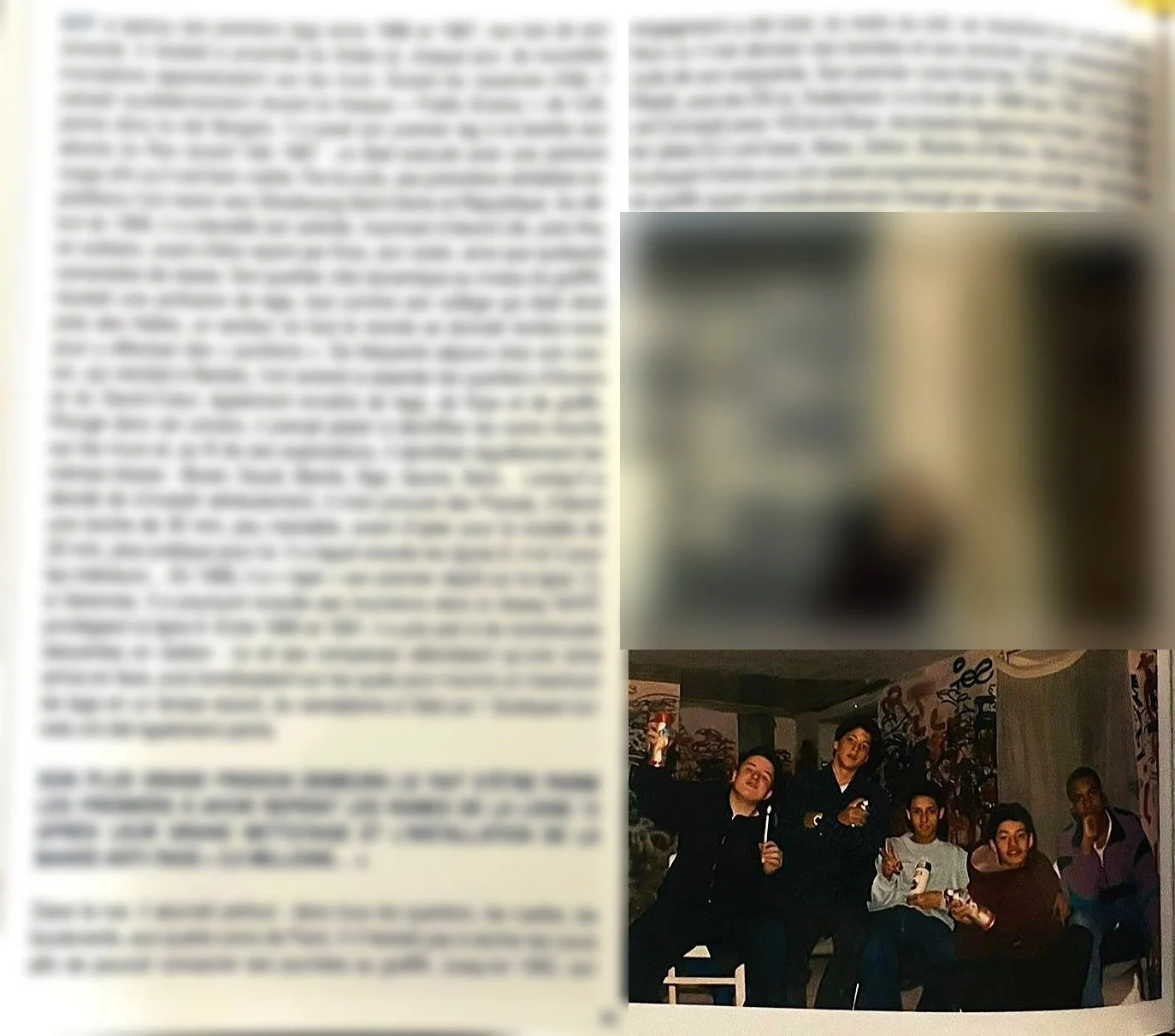
A few TRC crew members, circa 1992 (Ben Yakhlef, 2025)

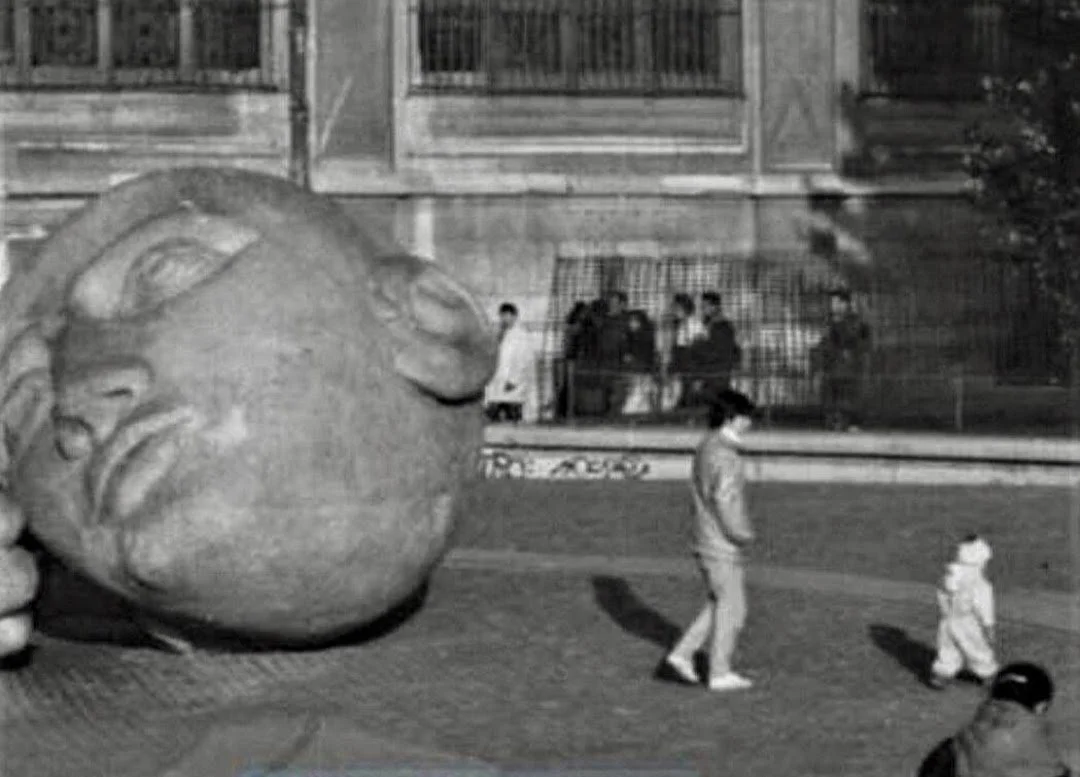
TRC territory “La tête” (“The head”), circa 1993-94 (personal collection)
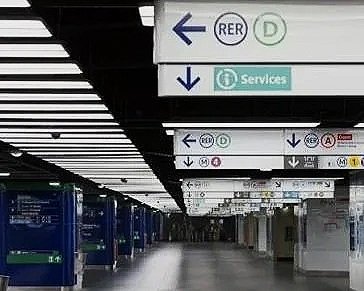
Châtelet–Les-Halles has been described as the largest underground railway station in the world
(Ministère de l’Intérieur, 2011; Institut Paris Region, 2022). © Normal Studio
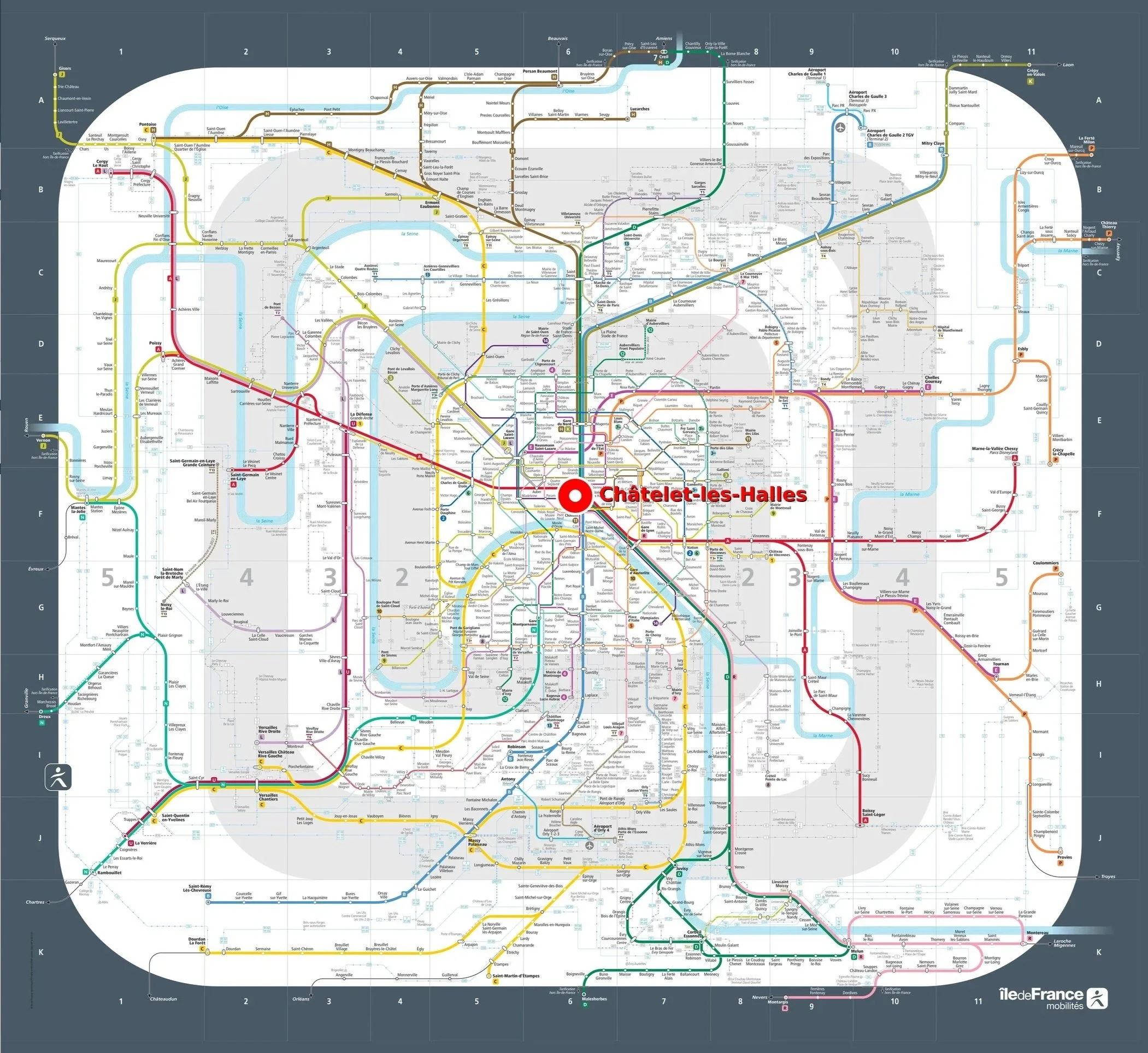
Location of Châtelet-les-Halles station within the Île-de-France transportation network, one of the densest in the world (Île-de-France, 2024). © Île-de-France Mobilités